On the Water
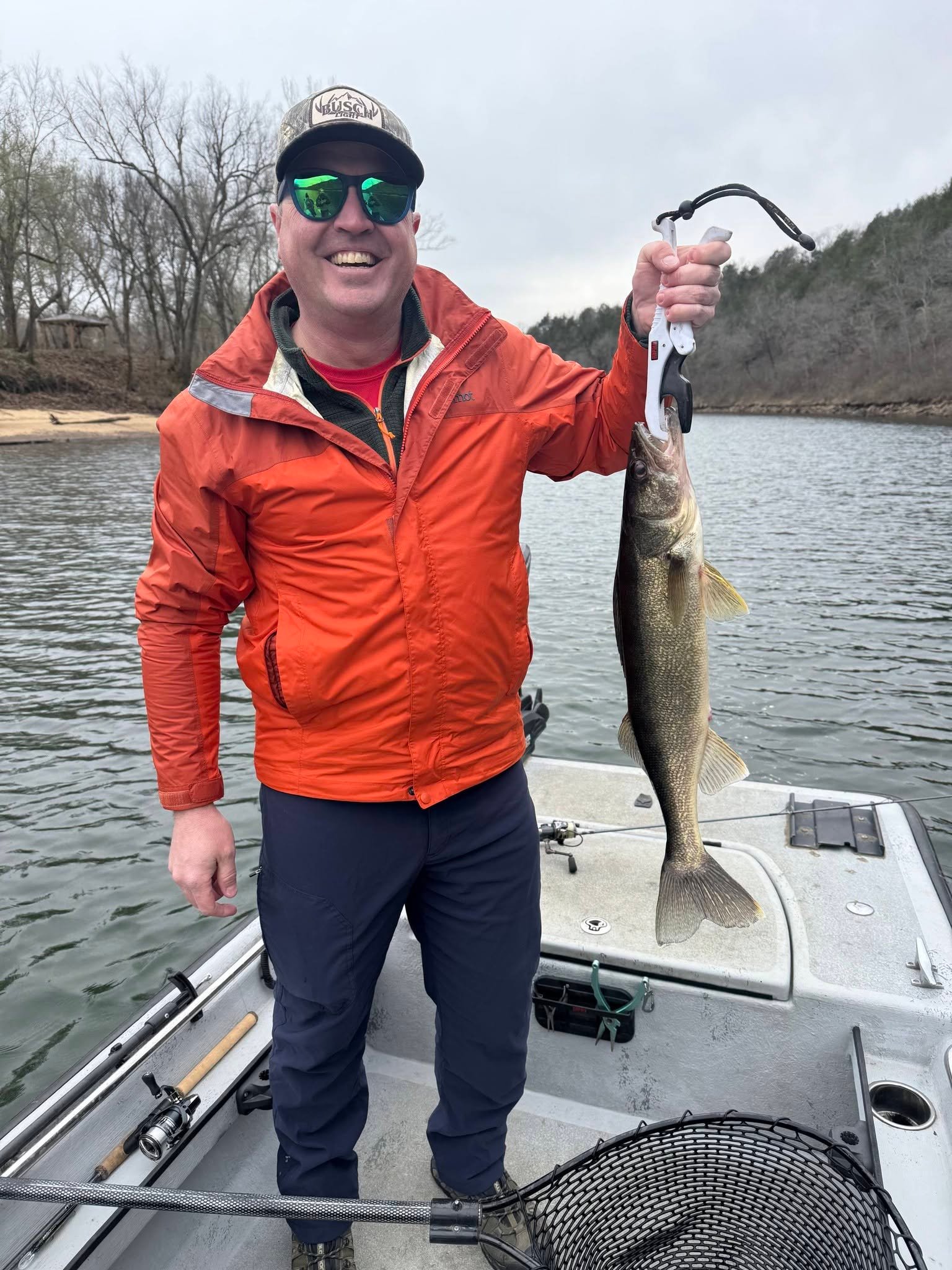
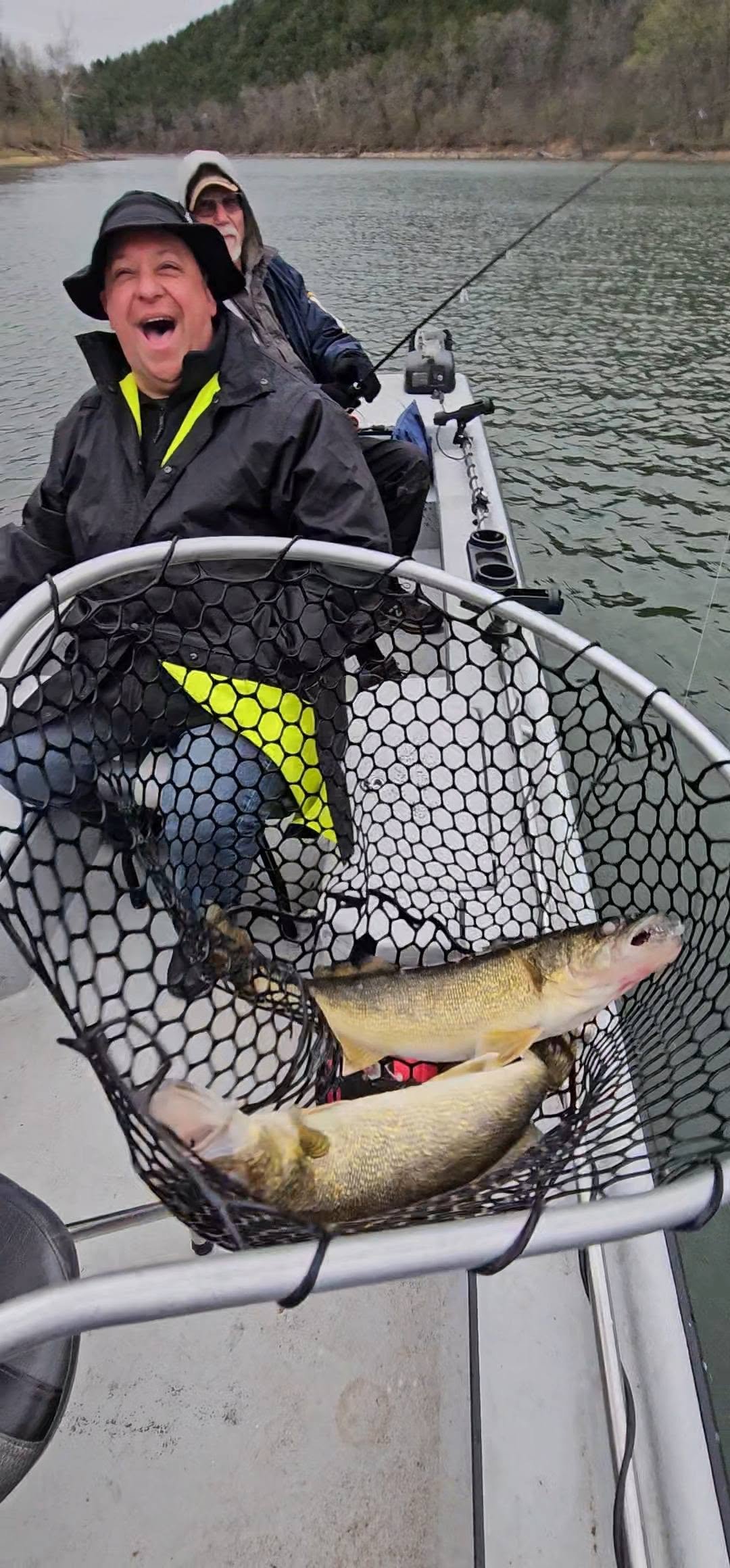
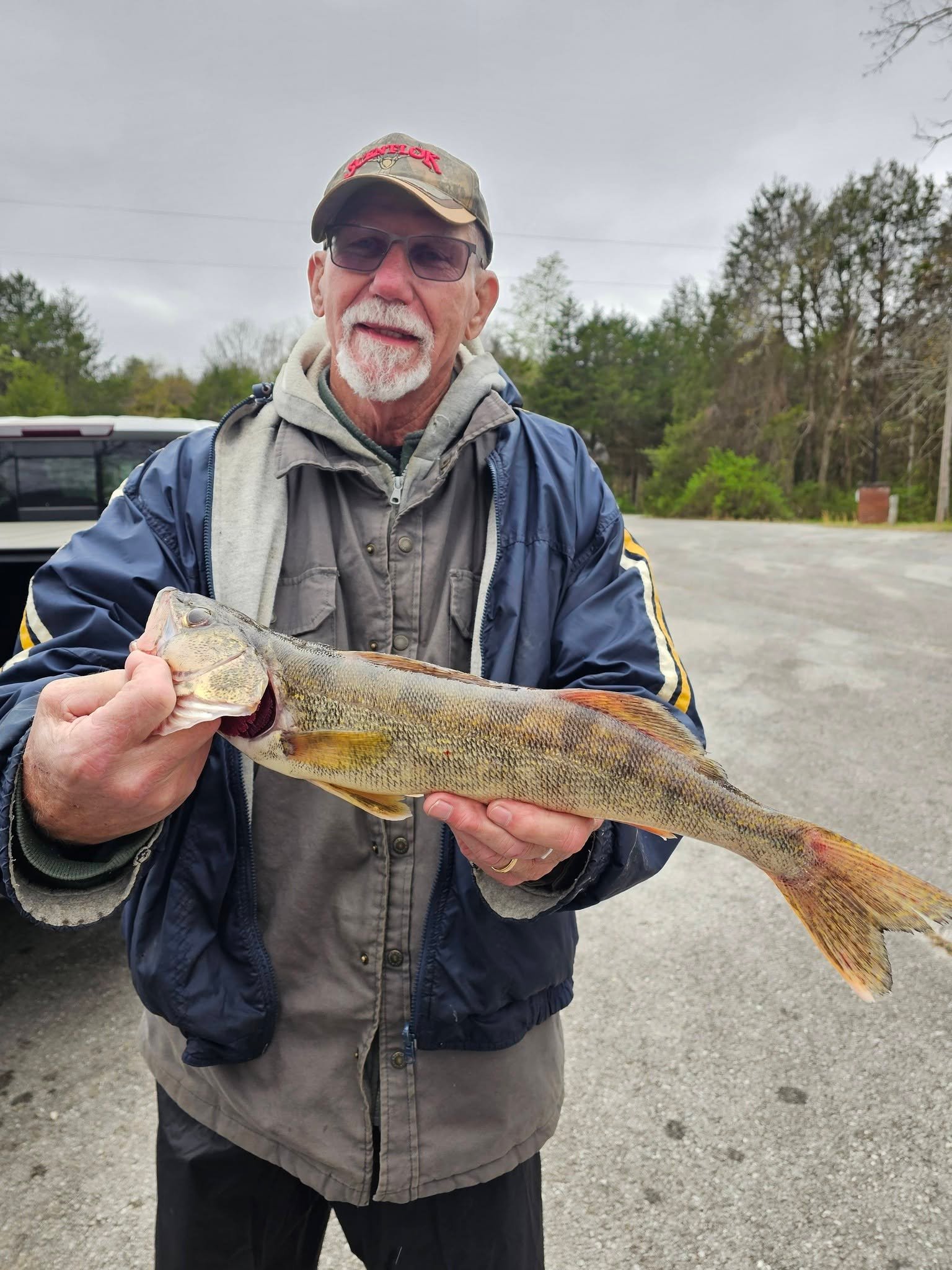
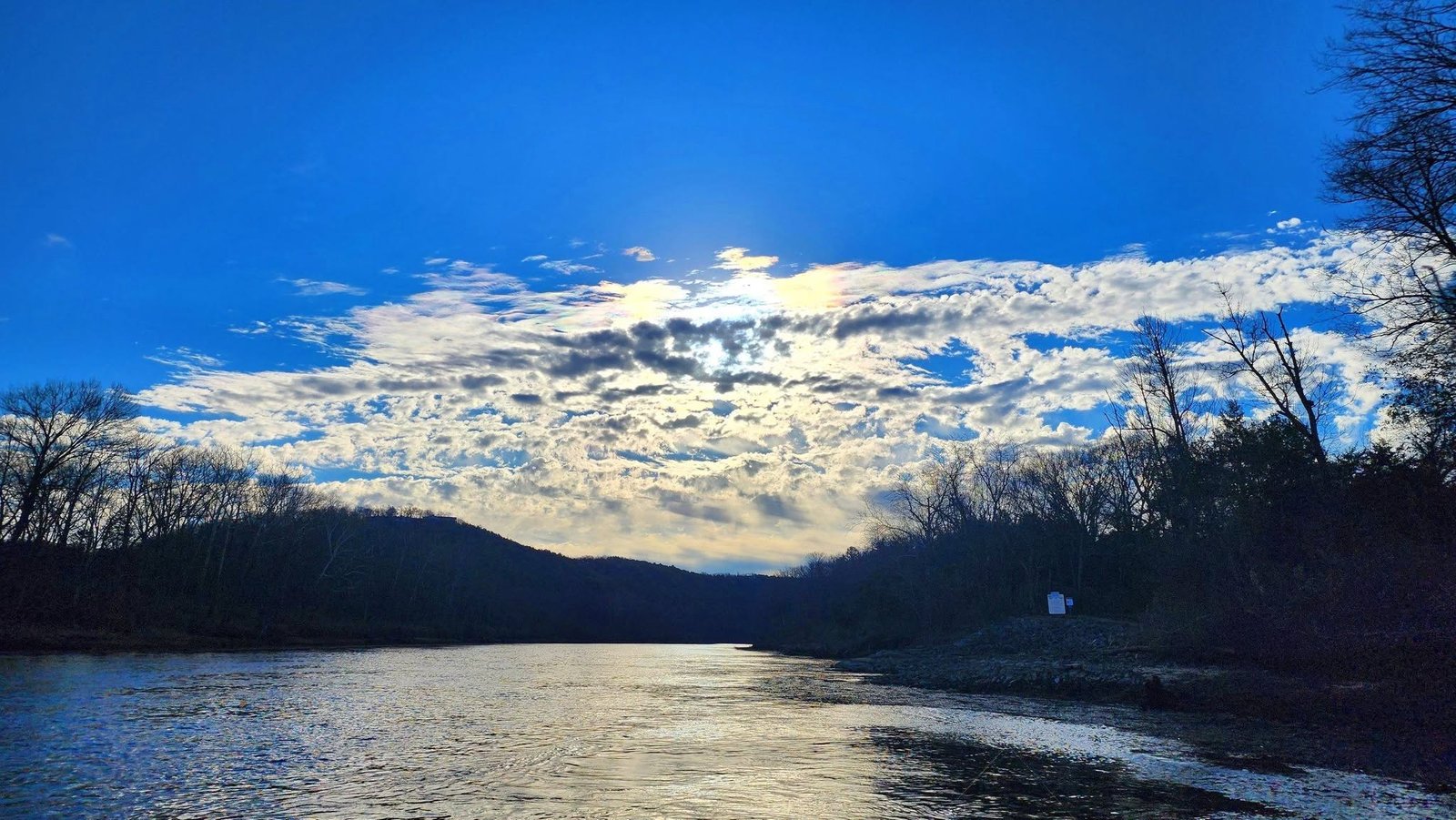
Most anglers believe they need expensive electronics to catch fish in the Beaver Tailwaters. While sonar and LiveScope can be valuable tools, they aren’t required to consistently find trout and walleye.
Learning to read the river—understanding current, depth changes, structure, and fish behavior—can dramatically improve your success whether you’re fishing from a boat, kayak, or the bank.
Why Fish Hold in Certain Areas
Explain the three things every fish needs:
- Food
- Oxygen
- Security
Show how current brings food to fish and why they often position themselves where they can feed without expending unnecessary energy.
Understanding River Current
Discuss:
- Fast water
- Moderate current
- Slow water
- Slack water
Explain where trout and walleye typically position themselves relative to each.
Reading Seams
One of the most important skills.
Cover:
- Current seams
- Foam lines
- Water color changes
- Transition zones
Explain how these areas concentrate food.
Identifying Depth Changes
Teach anglers to recognize:
- Drop-offs
- Depressions
- River channels
- Shelves
- Gravel bars
Without giving away specific locations.
How Trout Use the River
General concepts:
- Trout often face into current.
- They prefer feeding lanes.
- They utilize oxygen-rich water.
- They frequently hold near depth changes.
How Walleye Use the River
General concepts:
- Walleye often prefer slower current.
- They use ambush positions.
- They relate to breaks and transitions.
- Low-light periods increase activity.
Reading Water During Different Generation Flows
Very important for Beaver Tailwaters.
Cover:
- No generation
- Low generation
- Multiple generators running
Explain how fish reposition as water levels change.
Common Mistakes Beginners Make
- Fishing only where it’s easy to cast.
- Staying in one spot too long.
- Ignoring current direction.
- Fishing too fast.
- Not watching the water before making the first cast.
Final Thoughts
The Beaver Tailwaters offers excellent trout and walleye opportunities, but success begins long before a lure enters the water. Anglers who learn to read water, understand current, and recognize fish-holding habitat will consistently catch more fish—even without advanced electronics.
Want to shorten the learning curve? Busch Mountain Fishing Guide Service offers guided trips and virtual coaching sessions designed to help anglers understand fish behavior, seasonal patterns, and how to locate fish more effectively on the Beaver Tailwaters.