
On the Water
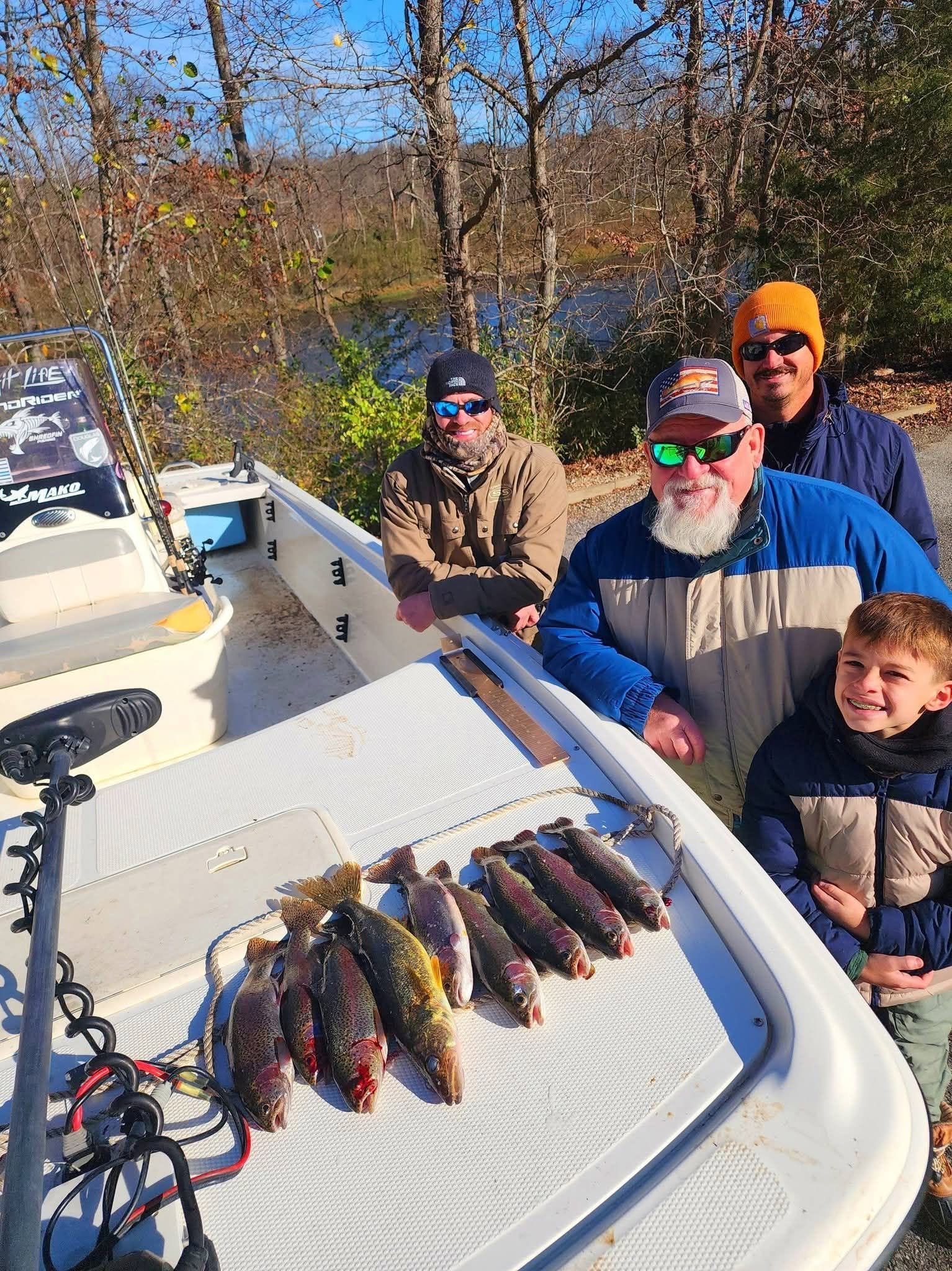
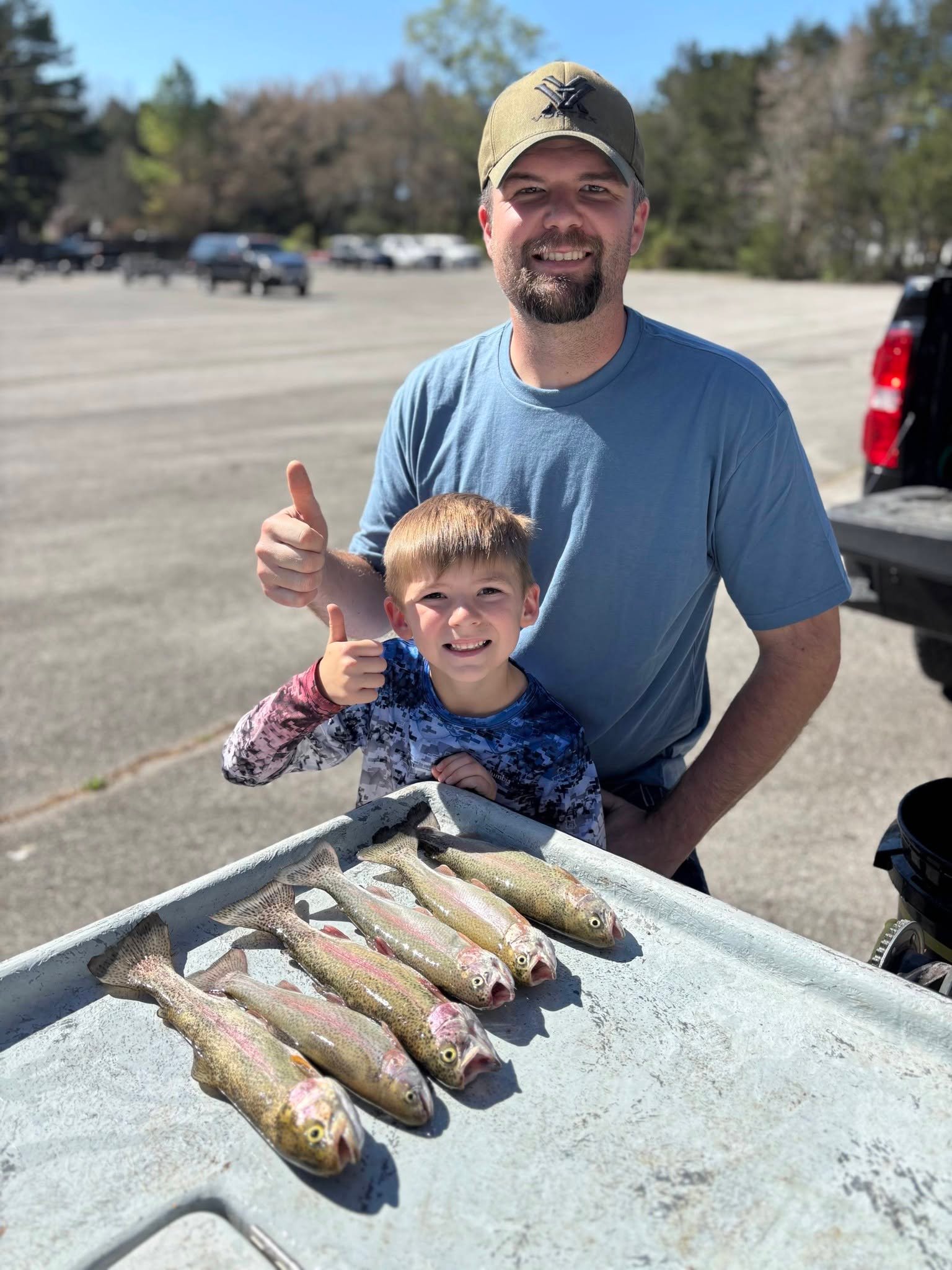
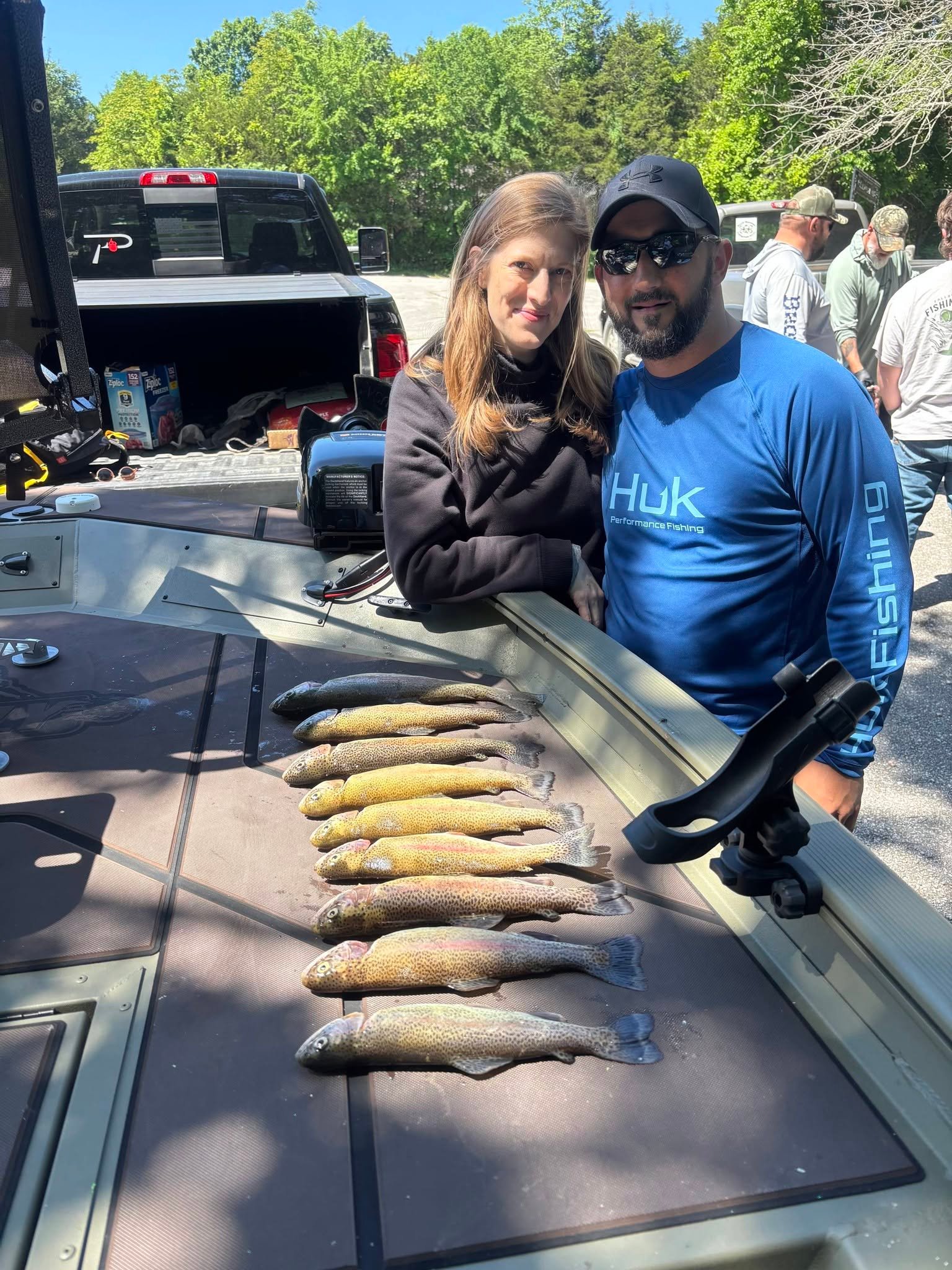
Summer Fishing For Rainbow & Brown Trout On The Beaver Tailwaters
Summer can be one of the most overlooked times to fish the Beaver Tailwaters, but anglers who understand how changing water conditions affect trout behavior can enjoy some outstanding days on the White River below Beaver Dam.
As we move deeper into summer, water temperatures become the key factor. Thanks to cold water releases from Beaver Dam, the trout fishery remains productive even during the hottest days of the year. Generation schedules, water clarity, and time of day all play an important role in determining where fish position and how aggressively they feed.
Rainbow Trout
Rainbow trout have been providing consistent action throughout the Beaver Tailwaters. Most fish are being caught along current seams, gravel bars, and deeper runs where cool, oxygen-rich water is flowing.
Light spinning tackle continues to produce excellent results. Anglers fishing with Pautzke Fire Bait on light terminal tackle have been catching steady numbers of fish, especially during periods of lower generation. Small inline spinners, 1/4-ounce spoons, and Rooster Tails are also producing quality trout when retrieved at a moderate pace.
Early mornings and the last couple hours before sunset typically provide the most active feeding periods during the summer months.
Brown Trout
Brown trout require a little more patience, but summer is still a great opportunity to hook a trophy fish.
Larger browns often hold around submerged timber, rock ledges, deeper holes, and transition areas where current slows. They are opportunistic feeders and frequently become more active during low-light conditions.
Natural-colored jerkbaits, larger inline spinners, soft plastics, and live bait presentations can all be productive depending on river conditions. A slow, deliberate presentation usually outperforms aggressive retrieves during warmer weather.
Generation Matters
One of the biggest keys to success on the Beaver Tailwaters is understanding the daily generation schedule.
When water is not being generated, trout spread across shallow gravel flats, current seams, and feeding lanes where anglers can effectively fish from either the bank or a boat.
As water begins to rise, trout often reposition along current breaks, behind structure, and near the edges of faster water. These changing conditions can actually trigger feeding activity if you’re prepared to adjust your presentation.
Checking the daily generation schedule before heading to the river can make a significant difference in your success.
Busch Mountain Fishing Guide Tips
Fish the Moving Water
Even a slight increase in generation can trigger trout to begin feeding. Target current seams, eddies, and softer water behind rocks where trout can hold with minimal effort while waiting for food to drift past.
Scale Down Your Tackle
Summer trout can become extremely line shy when the river clears. Using 4- to 6-pound fluorocarbon leaders, small hooks, and lightweight terminal tackle will often produce significantly more bites.
Keep Moving
Don’t spend too much time in one location. If you haven’t had a bite in 15 to 20 minutes, move to another run or gravel bar. Active trout are usually willing to bite when you find them.
Match Your Presentation to the Current
During low generation, allow your bait to drift naturally with the current. When water is moving faster, increase your retrieve speed with spoons, inline spinners, or crankbaits to trigger reaction strikes.
Fish During Water Changes
Some of the best fishing often occurs when generation begins to increase or decrease. These changing conditions frequently activate trout that have been holding inactive only minutes before.
Busch Mountain Pro Tip
Don’t automatically leave once the sun gets high. Many anglers quit by late morning, but when Beaver Dam is generating cold water, trout often continue feeding throughout the day—especially in deeper runs, shaded banks, and oxygen-rich current.
Weekly Outlook
Fishing on the Beaver Tailwaters continues to improve as cold water flows through the system. Rainbow trout are providing consistent action throughout much of the river, while patient anglers continue to connect with quality brown trout by targeting deeper structure and fishing during low-light periods.
Water releases from Beaver Dam will continue to dictate daily patterns, making it important to monitor generation schedules before your trip. Anglers willing to adjust to changing water conditions should continue to enjoy excellent opportunities throughout the week.
Whether you’re introducing someone to trout fishing for the first time or searching for that trophy brown trout, summer remains one of the most enjoyable times to experience the Beaver Tailwaters.
If you’d like to experience some of the best trout fishing Northwest Arkansas has to offer, Busch Mountain Fishing Guide Service offers fully guided trips for anglers of all skill levels. We provide all rods, reels, tackle, and instruction—just bring your fishing license and be ready to enjoy a great day on the water.