
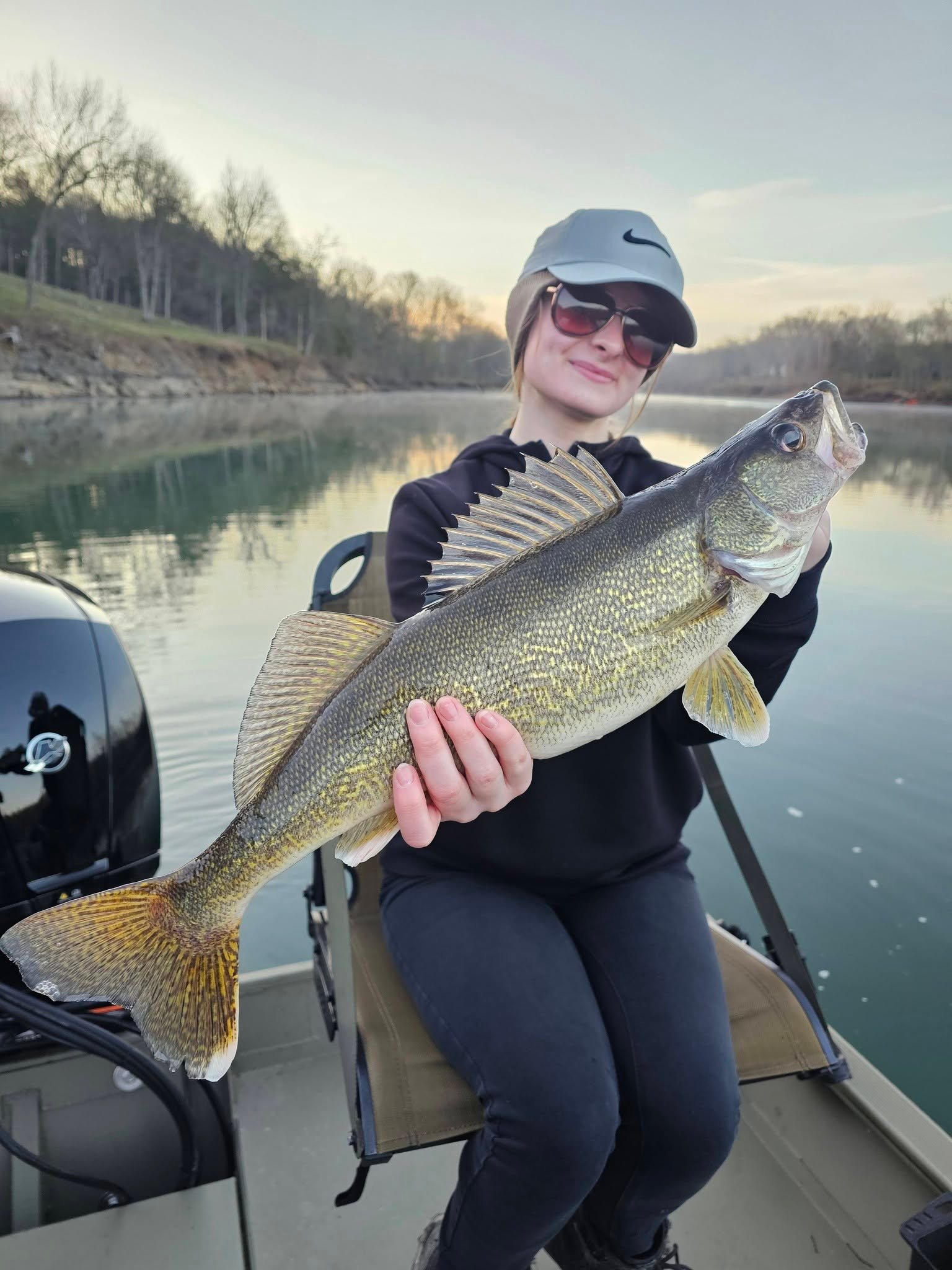
The White River below Beaver Dam is one of Arkansas’s most underrated walleye fisheries, offering anglers the opportunity to catch quality fish throughout much of the year. While walleye can be caught in every season, understanding their seasonal movements, spawning behavior, and preferred water conditions can dramatically increase your success.
From the pre-spawn feeding periods of winter to the spring spawning run and post-spawn recovery, walleye constantly adjust their location and feeding habits based on water temperature, generation schedules, and available forage. Knowing when these changes occur can help anglers focus their efforts during the most productive times of the year.
In this guide, we’ll break down the best times to target White River walleye, what conditions to look for, and how seasonal patterns influence where these fish can be found throughout the Beaver Tailwaters.
Spring Walleye Fishing (Late January-April)
For many anglers, spring is the best time of year to target walleye on the White River below Beaver Dam. As water temperatures begin to climb out of the mid-40s and daylight hours increase, walleye become more active and begin their annual spawning movements.
February often marks the beginning of the pre-spawn period. Male walleye typically move into spawning areas first, staging near gravel, chunk rock, and transition areas where they will remain for several weeks. During this time, fish are actively feeding and can provide excellent opportunities for anglers willing to brave the colder weather.
As March arrives, the spawning run reaches its peak. Large females move into spawning areas, often accompanied by groups of smaller males. Water temperatures in the upper 40s to low 50s generally trigger the most significant spawning activity. While some fish remain concentrated in spawning areas, others begin moving between feeding and spawning locations depending on water conditions and generation schedules.
By April, most spawning activity has concluded, and walleye begin transitioning into post-spawn patterns. Females recover from the spawn and gradually move toward deeper holding areas, while males may linger in shallower water for a short period before dispersing. This can still be an excellent time to catch quality fish as they resume regular feeding patterns.
Spring offers anglers some of the year’s best opportunities to catch both numbers and quality-sized walleye on the White River. Stable water conditions, warming temperatures, and spawning activity combine to create a unique and exciting fishery that draws anglers from across Arkansas and the surrounding states.
Summer Walleye Fishing (May-August)
As spring spawning activity comes to an end, the White River walleye fishery begins another transition. While many anglers associate walleye fishing with the late winter and spring spawning run, quality fish can still be caught throughout the summer months by anglers who understand how walleye behavior changes after the spawn.
By late spring and early summer, most of the larger spawning fish gradually migrate back into Table Rock Lake. Fisheries biologists have documented that many reservoir walleye move into deeper lake environments during the summer, where they take advantage of cooler water, baitfish concentrations, and stable feeding opportunities. However, not all walleye leave the river.
A resident population of walleye remains in the White River below Beaver Dam year-round. These fish take advantage of the cold tailwater environment, abundant forage, and consistent water temperatures created by Beaver Dam. As a result, anglers continue to catch quality walleye throughout the summer, even after the major spawning migration has ended.
Summer walleye are often less concentrated than they are during the spring spawning season. Instead of gathering in traditional spawning areas, fish spread throughout the river system and establish feeding patterns around current breaks, deeper runs, rocky structure, and areas where baitfish are present. Generation schedules can play an important role in fish activity, with moving water often triggering increased feeding opportunities.
One of the biggest advantages of summer fishing on the White River is the cool water released from Beaver Dam. While many southern fisheries experience rising water temperatures that push walleye deeper, the tailwater remains relatively cool and provides suitable habitat throughout the summer months.
Although spring remains the most popular season for White River walleye fishing, anglers who stay on the water during the summer are often rewarded with less fishing pressure, beautiful river conditions, and opportunities to catch quality fish that many anglers overlook.
Fall Walleye Fishing (September-November)
As temperatures begin to cool and daylight hours become shorter, walleye activity on the White River starts to increase once again. Fall is often overlooked by anglers, but it can provide some of the most consistent fishing of the year as walleye feed heavily in preparation for winter.
During the summer months, many walleye remain scattered throughout the river system, while others spend much of their time in Table Rock Lake. As cooler weather arrives, fish become more active and begin taking advantage of abundant forage opportunities. Baitfish movements, cooling water temperatures, and increased feeding activity often create excellent conditions for anglers targeting walleye throughout the tailwater.
Unlike the spring spawning season, fall fish are focused primarily on feeding rather than reproduction. Walleye take advantage of shorter days and cooler temperatures to build energy reserves before winter. This often results in longer feeding windows and more aggressive fish compared to the heat of summer.
The White River’s cold-water environment continues to provide suitable habitat throughout the fall, allowing resident walleye to remain active even as conditions change. Fish can be found throughout a variety of river habitats, often moving in response to current, available forage, and changing water conditions.
Fall also offers some of the most enjoyable weather of the year for anglers. Cooler temperatures, beautiful Ozark scenery, and reduced recreational boat traffic create ideal conditions for spending time on the water. While spring may receive most of the attention, many experienced anglers consider fall one of the most productive and underrated times to target White River walleye.
As winter approaches, walleye feeding activity often continues to increase, setting the stage for the pre-spawn period that follows in the months ahead. Anglers willing to stay on the water through the fall months frequently find excellent opportunities to catch quality fish while enjoying some of the best conditions the White River has to offer.
Winter Walleye Fishing (December-January)
Winter marks the beginning of one of the most exciting periods in the annual walleye cycle on the White River below Beaver Dam. While many anglers put their boats away during the colder months, dedicated fishermen know that winter can provide outstanding opportunities to target quality walleye as fish begin transitioning toward their pre-spawn patterns.
The cold, stable water temperatures of the White River create ideal conditions for walleye throughout the winter season. Unlike many lakes where fish become difficult to locate, White River walleye remain active and continue feeding regularly. Shorter days, colder air temperatures, and reduced fishing pressure often make winter one of the most overlooked seasons on the river.
As January approaches, biological changes begin taking place within the walleye population. Fish gradually increase their feeding activity as they prepare for the upcoming spawning season. Larger females begin developing eggs, while males slowly move toward areas they will utilize during the spring spawning run. Although the major migration has not yet occurred, many fish are already positioning themselves for the months ahead.
Winter fishing often rewards anglers who pay close attention to water conditions, generation schedules, and changing weather patterns. Stable conditions can produce excellent fishing, while periods of moving water frequently stimulate feeding activity and create opportunities to encounter some of the river’s largest walleye.
One of the greatest advantages of winter fishing is the reduced competition. Popular stretches of river that may see heavy traffic during trout season or the spring spawn often become quiet, allowing anglers to enjoy a more peaceful experience on the water.
For those willing to brave the cold, December and January can offer some of the year’s best opportunities to catch trophy-class walleye. More importantly, winter serves as the starting point for the pre-spawn period that eventually leads into the highly anticipated spring spawning run. As winter progresses, each passing week brings anglers one step closer to some of the most productive walleye fishing of the entire year.
Best Water Conditions for White River Walleye
Understanding water conditions is often more important than understanding the calendar when targeting walleye on the White River. While fish follow predictable seasonal patterns, changes in water temperature, river flow, clarity, and generation schedules can dramatically influence where walleye position and how actively they feed.
Water temperature is one of the most important factors affecting walleye behavior. As temperatures climb into the upper 40s during late winter and early spring, walleye begin transitioning into their spawning cycle. Some of the best fishing often occurs when water temperatures range from the mid-40s to low-50s, as fish become increasingly active before and after the spawn. Throughout the remainder of the year, the cold-water releases from Beaver Dam provide a stable environment that allows walleye to remain in the river year-round.
Current flow also plays a major role in locating fish. Moderate generation often creates ideal feeding conditions by concentrating baitfish and increasing oxygen levels throughout the river system. Walleye commonly position near current seams, eddies, and other areas where they can conserve energy while waiting for food to pass by. Extremely high water can scatter fish, while prolonged periods of no generation may reduce feeding activity in some areas.
Water clarity is another key factor. Slightly stained water often provides excellent conditions because it allows walleye to use their superior low-light vision while remaining less visible to prey. Clear water can still produce excellent fishing, particularly during low-light periods such as early morning, late evening, and overcast days.
Stable weather patterns frequently produce the most consistent fishing. Sudden weather changes, rapidly rising water, or significant fluctuations in generation schedules can temporarily affect fish behavior. However, once conditions stabilize, walleye typically return to predictable feeding patterns.
While there is no single “perfect” condition, anglers generally find the greatest success when water temperatures are seasonally appropriate, generation creates moderate current, water clarity is slightly stained to clear, and weather conditions remain relatively stable. Learning how these factors work together is one of the keys to consistently catching White River walleye throughout the year.
Highlight Videos
Check Our Moon Phase Fishing Calendar
Book a Guided Walleye Trip
Reading about walleye fishing is one thing. Actually putting a few in the boat is another.
If you’re ready to experience some of the best walleye fishing Arkansas has to offer, Busch Mountain Fishing Guide Service is here to help. Whether you’re a seasoned angler looking to learn more about White River walleye patterns or a beginner who simply wants to catch fish and make memories, we’ll put together a trip that fits your goals.
Our guided trips include all rods, reels, tackle, bait, and years of local knowledge earned through thousands of days on the water. All you need to bring is a valid Arkansas fishing license, weather-appropriate clothing, and maybe a little patience, because even walleye didn’t get the memo that they’re supposed to bite every day.
The White River below Beaver Dam offers year-round opportunities to catch walleye, and every season brings a unique experience. From the excitement of the spring spawning run to the overlooked opportunities of summer, fall, and winter, there’s never a bad time to chase these incredible fish.
Just be warned: walleye fishing can be addictive. Side effects may include buying too much fishing gear, checking generation schedules at odd hours, and explaining to your spouse why you suddenly need another fishing trip. Tight Lines – Austin
Ready to get on the water? Contact Busch Mountain Fishing Guide Service today and let’s go catch some walleye.