On the Water
Chasing Gold: How to Catch More Walleye on Beaver Lake, Table Rock Lake, and the Beaver Tailwaters
The alarm clock screams at 4:00 a.m.
Coffee is brewing. Rods are rigged. The boat is backed down the ramp as darkness still blankets the Ozarks. Somewhere beneath the surface, one of the most sought-after fish in freshwater is beginning to feed.
The walleye.
For many anglers, walleye seem mysterious. One day they’re easy to catch. The next day they seem to vanish completely. Yet the anglers who consistently catch them aren’t necessarily using secret lures or hidden techniques. They simply understand how walleye think, where they live, and what drives their behavior throughout the year.
Whether you’re fishing Beaver Lake, Table Rock Lake, or the Beaver Tailwaters, learning the habits of this incredible fish can dramatically improve your success.
Meet the Walleye
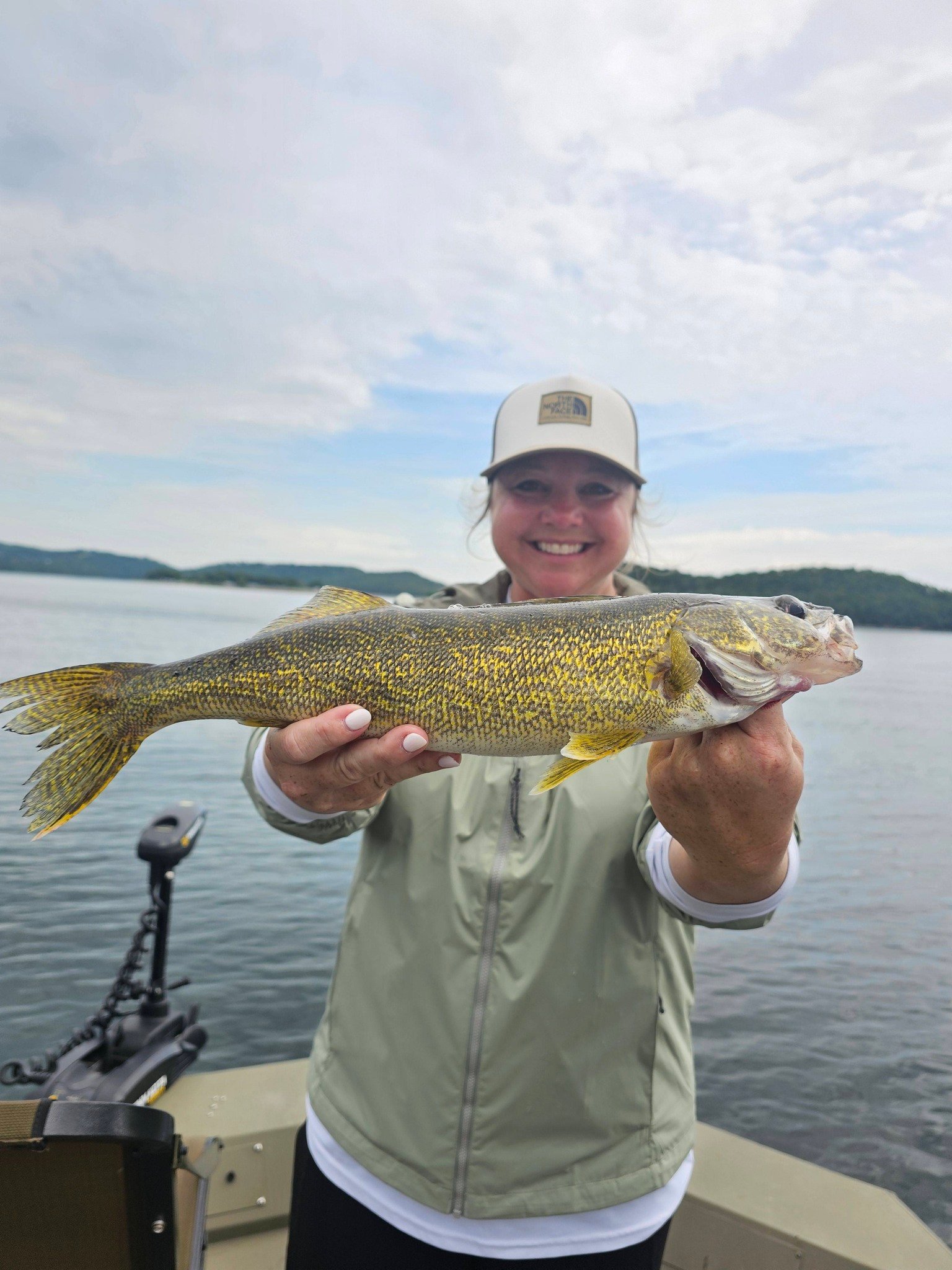
Walleye are perfectly built predators.
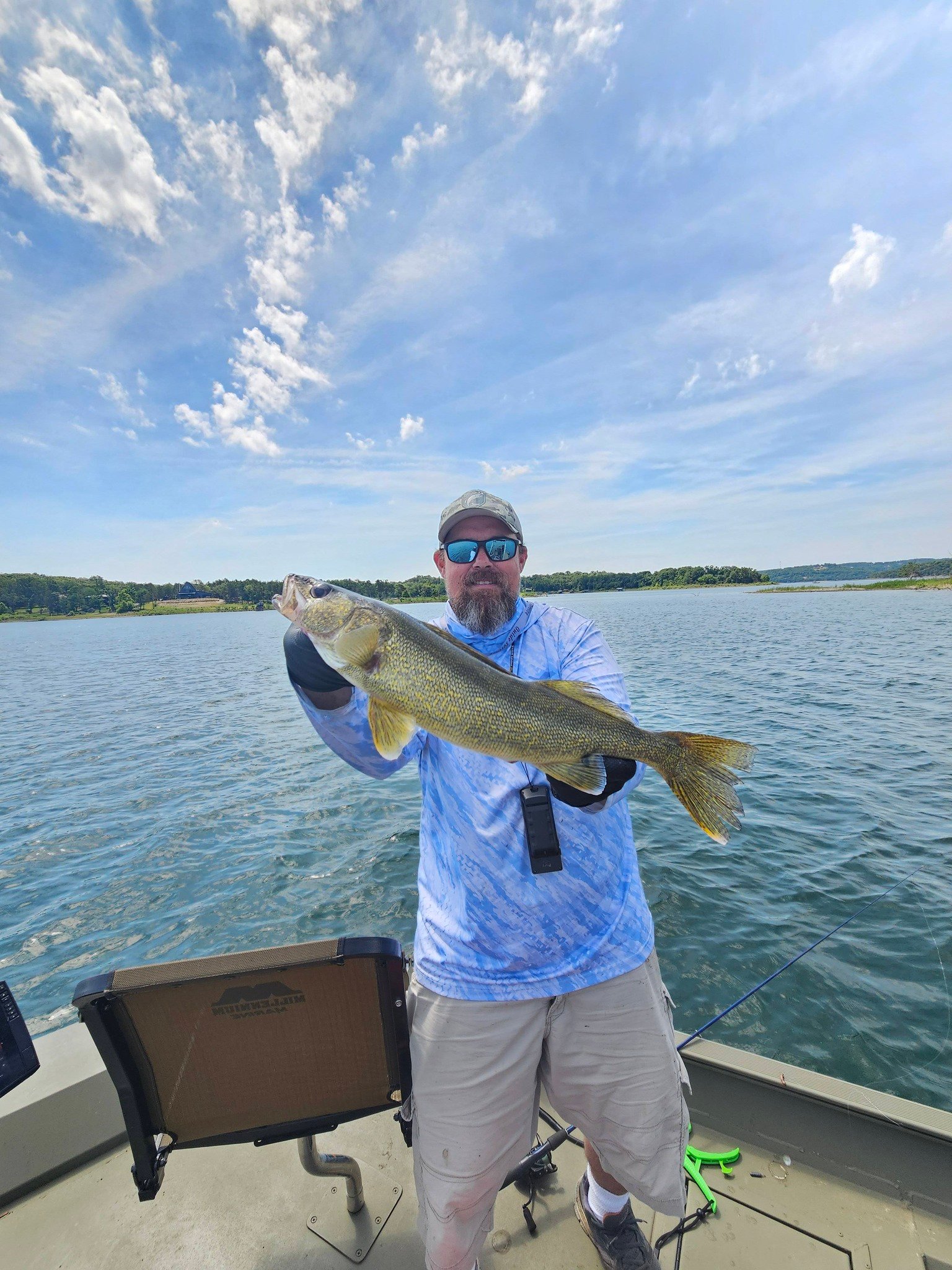
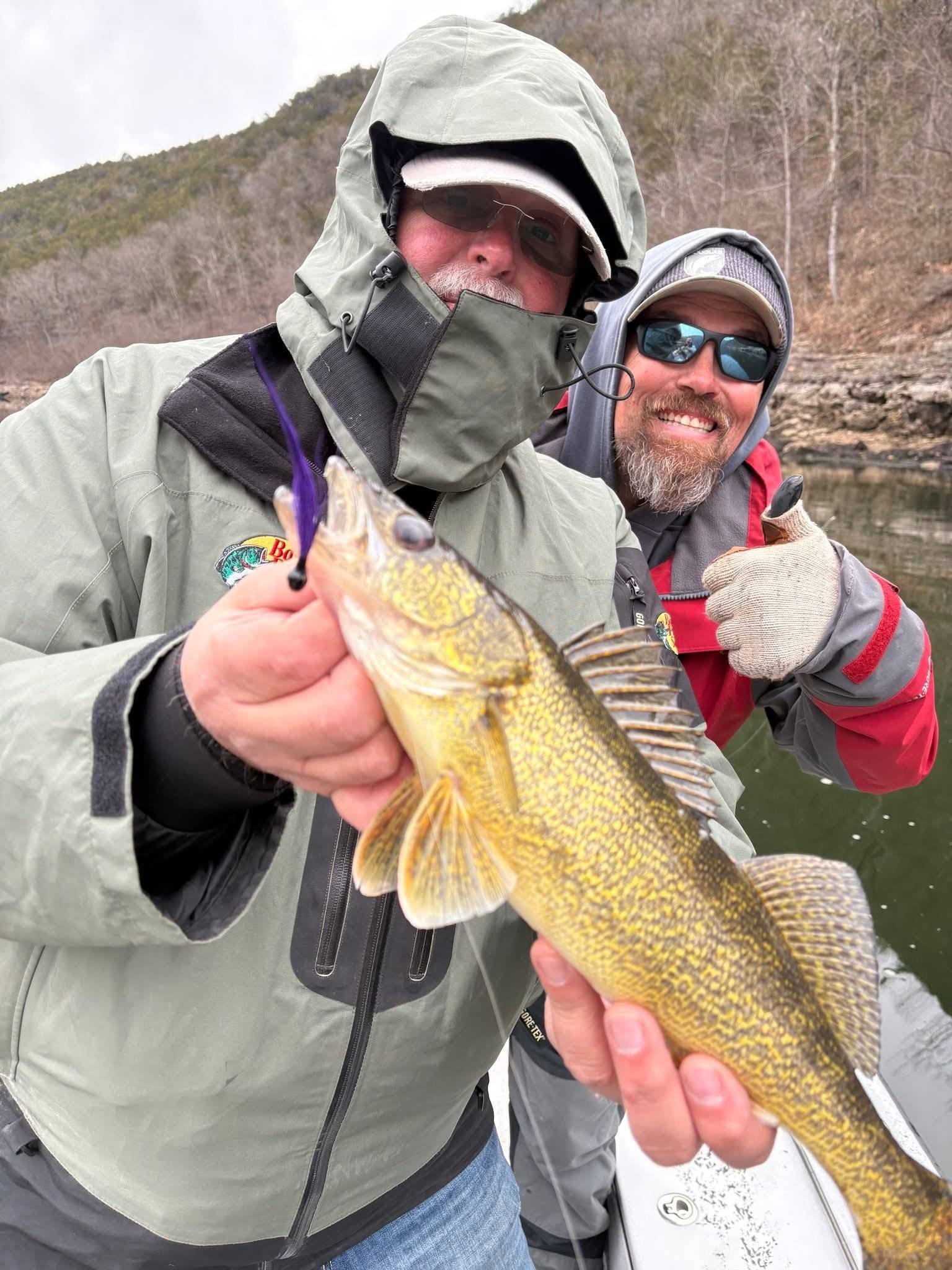
Their olive-gold coloration helps them blend into their surroundings, while their large reflective eyes allow them to see exceptionally well in low-light conditions. This unique advantage gives them the upper hand when feeding during dawn, dusk, cloudy days, and even under the cover of darkness.
While bass often use aggression to attack prey, walleye are efficient hunters. They spend much of their lives positioning themselves where food naturally comes to them.
Understanding that simple fact changes everything.
The anglers who consistently catch walleye spend less time looking for fish and more time looking for what the fish are eating.
The One Rule Every Walleye Angler Should Remember
Imagine standing on a highway waiting for traffic.
You wouldn’t stand in the middle of an empty field and hope cars drive by.
Walleye operate the same way.
They position themselves where baitfish naturally travel. If you can find schools of shad, minnows, bluegill, perch, or crayfish, you’re already ahead of most anglers.
Food drives everything.
It determines where walleye spawn, where they spend the summer, where they move in the fall, and where they’ll be tomorrow morning.
Beaver Lake: Arkansas’ Hidden Walleye Gem
The sun begins rising over the Ozark Mountains as a light fog drifts across Beaver Lake.
Electronics reveal schools of bait suspended over deep water. Somewhere nearby, a mature female walleye is waiting for an easy meal.
Beaver Lake has quietly become one of the best walleye fisheries in Arkansas.
Its combination of deep water, rocky structure, river channels, and abundant forage creates ideal habitat throughout the year.
Spring
As winter loosens its grip, walleye begin moving toward spawning areas.
Rocky shorelines, gravel points, riprap banks, and staging areas become magnets for fish preparing to reproduce.
This is when some of the biggest fish of the year are caught.
Summer
Summer changes everything.
As surface temperatures climb, baitfish begin concentrating around deeper structure and open-water areas.
The anglers who consistently catch summer walleye focus less on the shoreline and more on locating food sources.
Long points, humps, channel swings, and deep flats often become feeding zones throughout the warmer months.
Fall
If spring belongs to trophy hunters, fall belongs to numbers fishermen.
Cooling temperatures trigger increased feeding activity as walleye prepare for winter.
Fish often become more aggressive and move shallower, creating some of the year’s most consistent action.
Table Rock Lake: The Clear Water Challenge
Table Rock is a different animal.
The water is clearer. Fish can see farther. Mistakes become easier for them to detect.
Imagine trying to sneak up on a deer in an open pasture.
That’s often what fishing Table Rock feels like.
Yet anglers willing to adapt are rewarded with excellent walleye opportunities.
The key is understanding how clear water influences fish behavior.
Many Table Rock walleye spend daylight hours relating to deeper structure before becoming more active during low-light periods.
Gravel points, underwater ridges, creek channel intersections, and bluff ends frequently hold fish throughout much of the year.
One of the biggest mistakes anglers make on Table Rock is fishing where they think fish should be instead of locating where the bait actually is.
Walleye rarely stray far from the dinner table.
Beaver Tailwaters: Where Current Changes Everything
The Beaver Tailwaters offer a completely different challenge.
No vast open-water basins.
No endless offshore humps.
Instead, moving water controls nearly every aspect of walleye behavior.
Picture a river current carrying food downstream.
Walleye don’t want to fight that current all day. They position themselves where they can conserve energy while still taking advantage of passing forage.
Current seams.
Gravel bars.
Channel edges.
Eddy lines.
These areas act like underwater conveyor belts delivering food directly to waiting fish.
Water generation schedules often influence fish location more than weather conditions.
Anglers who learn to read current quickly gain an advantage over those who focus solely on lure selection.
Why Understanding Biology Matters
Walleye aren’t random.
Every movement they make serves a purpose.
During late winter and early spring, they move toward spawning areas as water temperatures climb into the upper 40s and low 50s.
Unlike bass, walleye do not build nests or guard their young. After spawning, they immediately return to feeding patterns and begin recovering from the demands of reproduction.
As temperatures rise, they seek locations that provide the best combination of food, oxygen, and comfort.
This is why successful anglers pay attention to seasonal changes rather than relying on yesterday’s fishing report.
Fish move.
Conditions change.
The anglers who adjust with them stay successful.
The Biggest Mistake Most Walleye Anglers Make
They become obsessed with lures.
Every year anglers spend hundreds of dollars chasing the newest bait on the market.
Meanwhile, experienced walleye fishermen focus on something much simpler.
Location.
A mediocre lure placed in front of active fish will outperform the perfect lure presented where no fish exist.
The best anglers spend their time locating structure, identifying forage, understanding seasonal movements, and learning how fish use their environment.
That’s what separates occasional success from consistent success.
Final Thoughts
Whether you’re launching on Beaver Lake before sunrise, watching the fog drift across Table Rock, or feeling current push against your boat in the Beaver Tailwaters, the pursuit remains the same.
Find the food.
Understand the season.
Learn how fish use their environment.
The reward isn’t just more walleye in the boat.
It’s the satisfaction of understanding one of the Ozarks’ most fascinating and challenging gamefish.
Because at the end of the day, the anglers who catch the most walleye aren’t always the ones with the most expensive gear.
They’re the ones who understand why the fish are there in the first place.
Very good information I really enjoyed your video I have been fishing for walleye 12 years I have caught them in the spring up white and war eagle and the kings but my favorite is summer months on beaver I am 73 and I enjoy making my own harness rigs and slow trolling them Very laid back and efficient I have caught them from hickory creek to the dam You are right on on your information I at one time had Juan Xieng and Richard in my boat showing them how to troll harness rigs years back The walleye are doing very well on beaver I expect some 30 inch fish to be caught this year I caught a 28 inch fish 2 years ago up Rambo Thanks again from all of us Walleye whispers
Robert, thank you for the kind words and for sharing your experience. It sounds like you’ve spent a lot of time figuring out those Beaver Lake walleyes out over the years. Catching a 28-inch fish up around Rambo is no small accomplishment, and I agree—the lake is in great shape right now. I wouldn’t be surprised to see a few 30-inch-class fish show up this year.
I really appreciate you watching the videos and taking the time to leave a comment. It’s always great hearing from anglers who have been chasing walleyes as long as you have. Hopefully one of these days we can get together and spend some time on the water chasing those toothy critters. I’d enjoy hearing some of your stories and swapping a few walleye tales while putting a few fish in the boat.
Thanks again, Robert, and tight lines! 🎣
— Austin, Busch Mountain Fishing Guide Service