On the Water
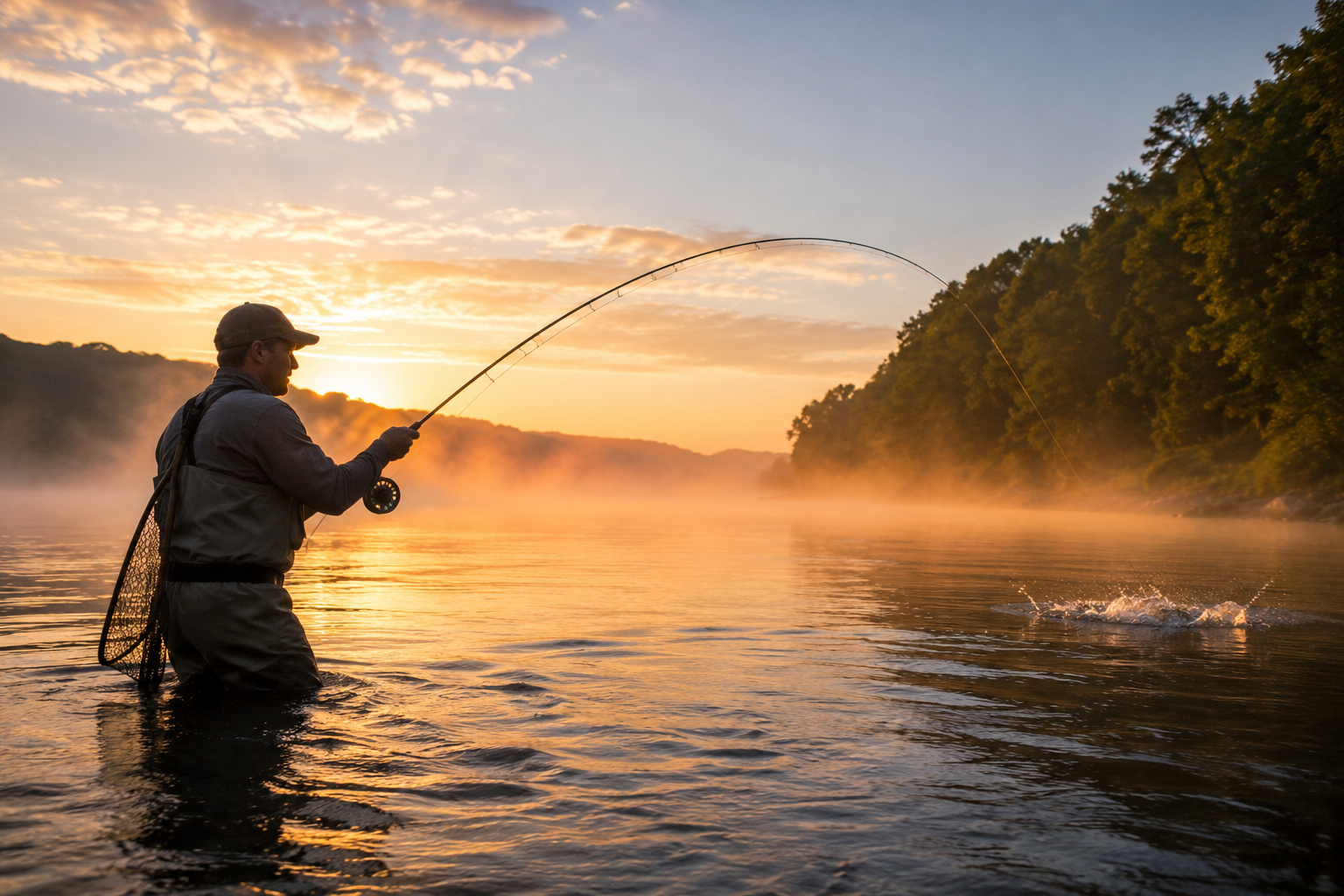
Beginner Fly Fishing in Arkansas: Everything You Need to Know
If you’ve ever wanted to learn fly fishing, there may not be a better place to start than Arkansas. From the world-famous White River to the cold, clear waters below Beaver Dam, Arkansas offers exceptional trout fishing, beautiful scenery, and opportunities to catch fish throughout the entire year.
Many people assume fly fishing requires years of experience or expensive equipment. The truth is that with the right instruction and a basic understanding of the fundamentals, most beginners can catch their first trout on a fly rod during their very first trip.
This guide covers everything you need to know before stepping into the water—from choosing equipment and learning to cast to reading trout water and understanding Arkansas fishing regulations.
Why Arkansas Is One of the Best States to Learn Fly Fishing
Arkansas has earned a national reputation for trout fishing thanks to its cold-water tailwaters created by hydroelectric dams. These rivers maintain water temperatures that allow trout to thrive year-round.
Several Arkansas rivers offer opportunities to learn fly fishing. Busch Mountain guided fly-fishing trips are currently limited to the White River and Beaver Tailwaters below Beaver Dam; contact us to confirm availability and trip details. Rivers to explore include:
- White River
- Beaver Tailwaters
- Little Red River
- Norfork River
- Spring River
These fisheries offer excellent rainbow trout populations while giving anglers the opportunity to encounter trophy brown trout that attract fly anglers from around the world.
Because many sections feature gentle current and easy public access, beginners can focus on learning rather than fighting difficult conditions.
What Is Fly Fishing?
Unlike traditional spinning gear that uses the weight of the lure for casting, fly fishing uses the weight of the fly line to deliver an almost weightless artificial fly.
A basic fly fishing setup includes:
- Fly rod
- Fly reel
- Fly line
- Backing
- Leader
- Tippet
- Artificial fly
Instead of retrieving the lure, fly anglers present the fly naturally with the current, allowing it to imitate insects, baitfish, worms, or other food trout commonly eat.
Fly Fishing Equipment for BeginnersFly Rod
A 9-foot, 5-weight rod is considered the most versatile setup for beginners.
It casts easily, handles most trout flies, and has enough power for larger fish without sacrificing sensitivity.
Fly Reel
Your reel should balance your rod and include a smooth drag system. While rainbow trout rarely require heavy drag, larger brown trout can make long, powerful runs.
Fly Line
A weight-forward floating fly line is the easiest line for beginners to learn with and works for nearly every trout fishing situation in Arkansas.
Leader and Tippet
Most beginners should start with:
- 9-foot leader
- 5X tippet
These sizes provide a good balance between strength and stealth.
Polarized Sunglasses
Quality polarized glasses allow you to see beneath the water’s surface, helping identify trout, rocks, and changing currents while protecting your eyes from errant hooks.
Waders
Chest waders are useful during colder months but aren’t always necessary. During warmer weather, wet wading can be comfortable in many Arkansas streams.
Always wear proper wading boots with good traction to reduce slipping on algae-covered rocks.
Best Flies for Beginners
A beginner doesn’t need hundreds of flies. A small assortment will catch trout almost anywhere in Arkansas.
Recommended patterns include:
- Woolly Bugger
- San Juan Worm
- Zebra Midge
- Pheasant Tail Nymph
- Copper John
- Elk Hair Caddis
- Adams Dry Fly
Learning when and where to fish each pattern is more important than carrying dozens of fly boxes.
Learning the Basic Cast
Every fly cast consists of smooth acceleration and controlled stops.
Focus on:
- Proper grip
- Straight casting path
- Smooth back cast
- Controlled forward cast
- Roll casting
- Line management
One of the biggest mistakes beginners make is trying to overpower the cast. Let the fly rod and fly line do the work.
Accuracy is far more important than distance.
Reading Trout Water
Understanding where trout position themselves is often more important than perfect casting.
Look for:
Current Seams
Where fast and slow water meet.
Riffles
Oxygen-rich water that attracts feeding trout.
Runs
Steady current that provides ideal feeding lanes.
Pools
Deeper water where trout rest between feeding periods.
Undercut Banks
Excellent hiding places for larger brown trout.
Structure
Large rocks, fallen trees, submerged logs, and drop-offs all create current breaks where trout conserve energy.
Best Places to Learn Fly Fishing in ArkansasWhite River
The White River is one of America’s premier trout fisheries. Its consistent water temperatures, abundant rainbow trout, and excellent access make it ideal for first-time fly anglers.
Beaver Tailwaters
Located below Beaver Dam near Eureka Springs, the Beaver Tailwaters offer excellent opportunities for beginners while still producing trophy-sized trout.
The river provides everything from easy wading areas to productive drift boat water.
Little Red River
Known for giant brown trout and steady rainbow fishing, the Little Red offers excellent learning opportunities throughout the year.
Spring River
Spring-fed and naturally cold, the Spring River provides another outstanding option for beginning fly anglers.
Best Time of Year to LearnSpring
Excellent weather and active trout make spring one of the best seasons to begin.
Summer
Early mornings and evenings provide excellent fishing while longer daylight allows plenty of practice.
Fall
Comfortable temperatures and aggressive trout create ideal learning conditions.
Winter
Fewer crowds and consistent trout fishing make winter surprisingly productive for dedicated anglers.
Arkansas Fishing License Requirements
Anyone planning to fly fish in Arkansas should purchase the appropriate Arkansas fishing license before fishing.
If you’re targeting trout on designated trout waters, you’ll also need an Arkansas trout permit.
Always review current regulations before your trip since seasons and special regulations can change.
Common Beginner Mistakes
Avoid these common errors:
- Casting too hard
- False casting too much
- Standing too close to the fish
- Ignoring water current
- Using overly heavy tippet
- Setting the hook too aggressively
- Failing to mend the fly line
- Changing flies too often instead of improving presentation
Fly Fishing Safety Tips
Always make safety part of your trip.
- Watch generation schedules before entering tailwaters.
- Wear eye protection.
- Use proper wading boots.
- Carry a wading staff in stronger current.
- Never underestimate changing water levels.
- Let someone know where you’ll be fishing.
Should You Learn on Your Own or Hire a Guide?
Learning independently can certainly be rewarding, but many beginners develop habits that take months—or even years—to correct.
A professional fly fishing lesson shortens the learning curve dramatically. Instead of spending countless trips figuring things out through trial and error, you’ll receive hands-on instruction in casting, reading water, selecting flies, fighting fish, and landing trout safely.
For many anglers, a single guided lesson provides enough confidence and knowledge to enjoy fly fishing for years to come.
Whether you’re planning your first trout trip or simply want to improve your skills, professional instruction can make your time on the water far more productive and enjoyable.
Final Thoughts
Fly fishing isn’t about making perfect casts or owning expensive equipment. It’s about learning to understand the river, presenting a fly naturally, and enjoying one of the most rewarding ways to catch trout.
Arkansas offers some of the finest beginner fly fishing opportunities in the country, and there’s no better time to start than now.
With a little patience, quality instruction, and time on the water, your first trout on a fly rod may be much closer than you think.