On the Water
Busch Mountain Fishing Guide Service
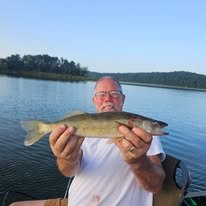
If you’ve spent much time chasing walleye on Beaver Lake, you know one thing is certain—summer fish rarely stay put. As water temperatures climb into the upper 80s, baitfish become scattered across the lake, and walleye follow right behind them. Success this time of year isn’t about fishing yesterday’s hotspot; it’s about understanding seasonal movement, staying mobile, and making adjustments throughout the day.
Late July is one of my favorite times to fish Beaver Lake. While the bite can be more challenging than during the spring or fall, anglers willing to put in the work are being rewarded with quality fish. Current conditions around the lake continue to follow a classic summer pattern, with walleye relating to structure that provides quick access to deeper, cooler water while remaining close to abundant forage.
Current Lake Conditions
Surface water temperatures have climbed into the upper 80s, and the lake has developed a well-defined thermocline around the 30-foot mark. Most active walleye are spending their time above that thermocline where oxygen levels remain favorable and schools of threadfin shad are abundant.
Historically, this time of year finds fish utilizing:
- Main lake points
- Large gravel and rock flats
- Offshore humps
- Saddles connecting structure
- Creek channel edges
- Subtle depth changes near deep water
Rather than holding tight to one piece of structure all day, summer walleye often move throughout the day as they follow baitfish and changing light conditions.
Understanding Summer Walleye Movement
One of the biggest misconceptions about summer walleye is that they become inactive during hot weather. The reality is they’re still feeding—they’re simply moving more.
As daylight increases, fish often position themselves on deeper structure where they can remain comfortable while conserving energy. During low-light periods, changing weather, or increased wind, they’ll frequently slide onto feeding areas to take advantage of baitfish activity.
These movements may only be a short distance, but they can make the difference between an average day and an exceptional one.
Busch Mountain Guide Tip #1Fish the Conditions, Not Yesterday’s Reports
Fish don’t read fishing reports.
One of the most common mistakes anglers make is running straight to a location where fish were caught several days ago. Summer walleye are constantly adapting to weather, wind, current, bait movement, and fishing pressure.
Instead of relying on old information, let today’s conditions tell you where the fish should be.
Electronics Continue to Change the Game
Modern sonar has become one of the most valuable tools an angler can have during the summer months.
Rather than spending hours fishing water that appears productive, electronics allow you to quickly determine whether an area holds baitfish, predator fish, or neither.
Time spent searching often produces better results than time spent blindly casting.
Finding life before making your first presentation is one of the biggest confidence builders on the water.
Busch Mountain Guide Tip #2Learn When to Leave
Every angler wants to believe the next cast is going to be the one.
Sometimes it is.
Most of the time, it isn’t.
If you’ve thoroughly worked an area without seeing bait, fish activity, or any indication that predators are present, don’t be afraid to move. Summer walleye reward anglers who stay efficient and continue searching until they intersect active fish.
The more productive water you eliminate, the faster you’ll find fish.
Weather Makes a Difference
Stable weather patterns often produce consistent fishing, while approaching fronts, increasing cloud cover, and steady wind can quickly improve activity.
Even light wind can position baitfish along structure, creating feeding opportunities for walleye.
Instead of avoiding wind, many experienced anglers actually look for it during the summer months because moving water often means moving bait—and moving bait usually attracts predators.
Busch Mountain Guide Tip #3Confidence Is Built Through Time on the Water
There is no substitute for experience.
Every trip teaches something new, whether it’s learning how fish respond to changing weather, discovering overlooked structure, or recognizing subtle patterns that repeat throughout the season.
The more time you spend observing the lake instead of simply fishing it, the more consistent your success becomes.
Best Time to Fish
The most productive windows during the summer continue to be:
- Early morning before recreational boat traffic increases
- Days with consistent cloud cover
- Periods of steady wind
- The final couple of hours before sunset
Bright, calm afternoons can still produce fish, but they generally require more patience and a willingness to keep moving until active fish are located.
Looking Ahead
As summer progresses toward August, walleye will continue following baitfish while gradually preparing for the seasonal transition into early fall. Cooling nights, shorter days, and the first signs of changing weather will eventually begin concentrating fish into more predictable locations.
Until then, success belongs to anglers who remain flexible, trust what they’re seeing on their electronics, and understand that mobility is often the difference between an average day and a memorable one.
Fish With Busch Mountain Fishing Guide Service
Whether you’re hoping to catch your very first walleye or you’re an experienced angler looking to learn more about Beaver Lake’s seasonal patterns, our goal is simple—to help you have a successful, enjoyable day on the water.
Every guided trip is built around current lake conditions, seasonal fish movement, and years of local experience. We spend countless hours studying Beaver Lake so our clients can spend more time catching fish and less time wondering where they are.
If you’re planning a summer fishing trip to Northwest Arkansas, we’d love the opportunity to show you why Beaver Lake has become one of the premier walleye fisheries in the region.