
On the Water
Late-Summer Fishing: Stop Fishing the River Like It’s Spring
The Beaver Tailwaters can humble you pretty quickly this time of year. Late summer isn’t the time to pull out the same setup you were catching fish on a few months ago, drop it over the side and expect the river to cooperate.
Right now, adaptability is probably the most important thing you can bring with you.
Trout numbers have been lower than what we’re accustomed to seeing because of the hatchery situation this year, and that’s affecting waters across Arkansas—not just the Beaver Tailwaters. That doesn’t mean the river is dead. We’re still catching fish. It means anglers need to start thinking about quality water instead of simply looking for quantities of trout.
Follow the Water, Not Your Favorite Spot
Generation can completely change this river.
Low water concentrates fish into certain areas and makes other stretches difficult to fish effectively. Start moving water through the system and suddenly you’ve got new current seams, deeper travel lanes and feeding opportunities that weren’t there before.
Here’s something I see anglers do all the time: they catch fish somewhere once and decide that’s where the fish live.
Nope.
That’s where the fish lived under those conditions.
When the water changes, fish reposition. Your productive drift can disappear, your weight can become wrong, and fish that were sitting comfortably in one piece of water may slide somewhere completely different.
Guide Tip: When generation changes, reassess three things before blaming the fish: depth, current speed and your presentation.
Sometimes the fish didn’t quit biting. You’re simply not putting anything in front of them anymore.
Trout: Small Adjustments Matter
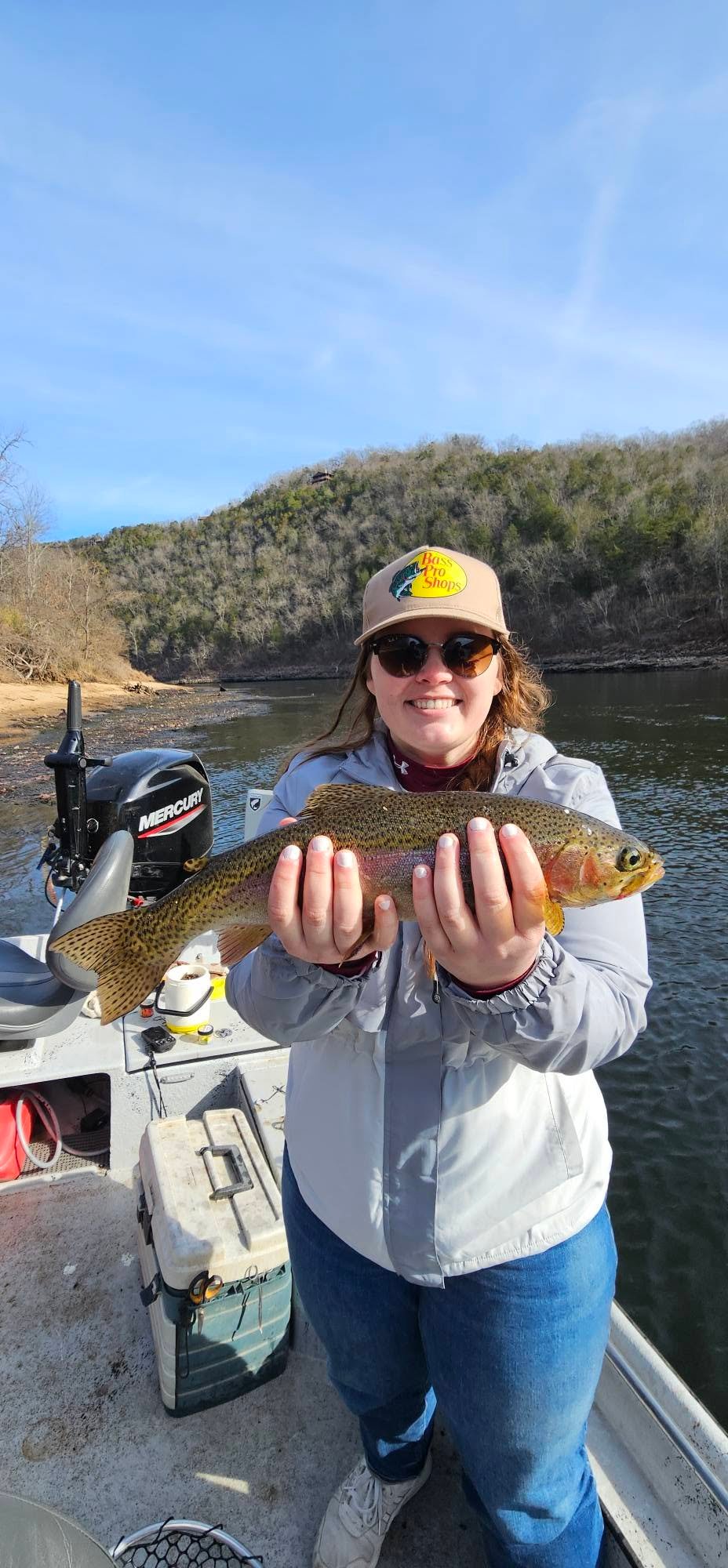
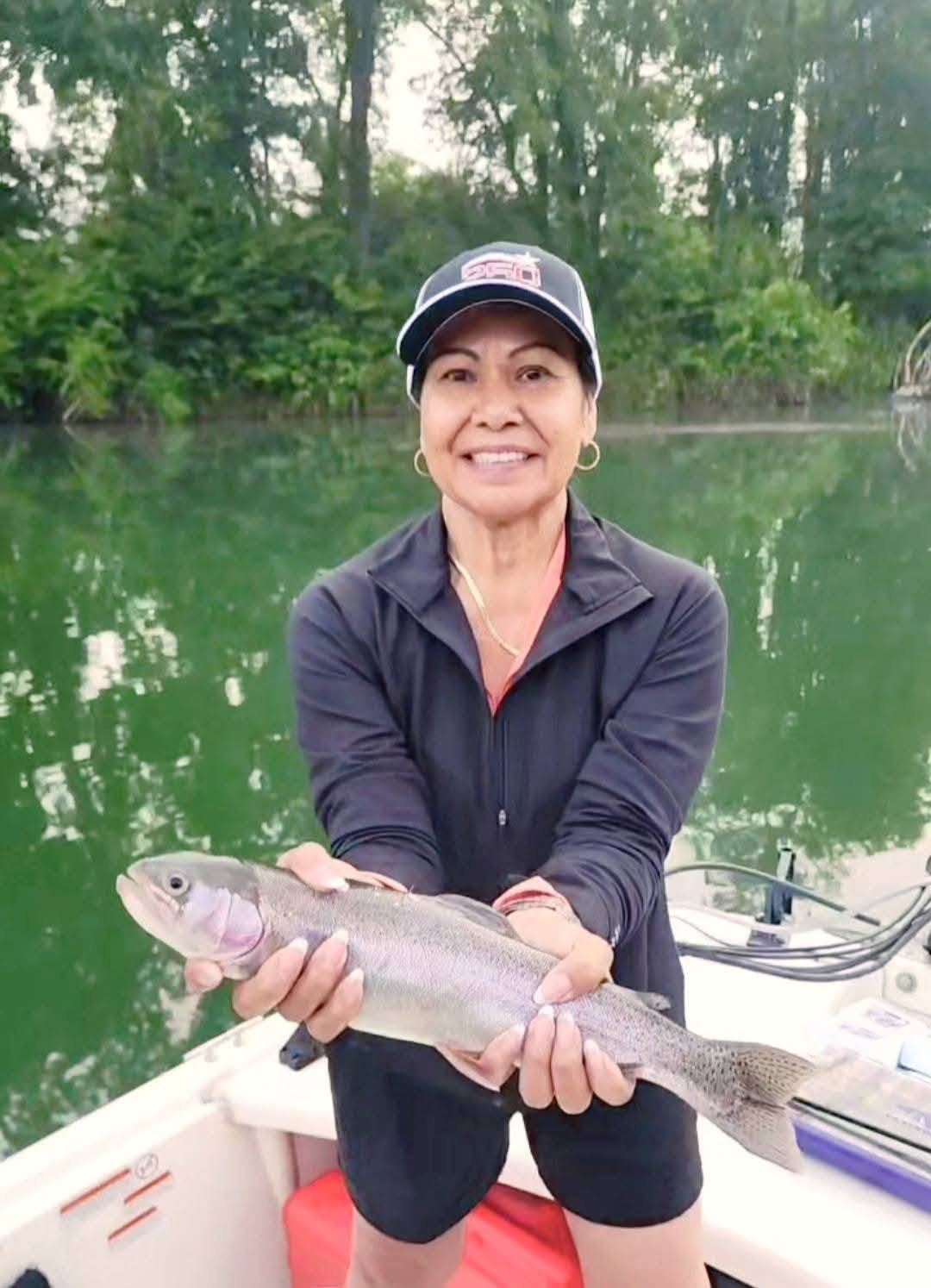
Rainbows are still the bread-and-butter fish on the Tailwaters.
Natural presentations continue to be important, but don’t overlook how your bait is actually moving through the water.
Too little weight and you’re sailing over the fish.
Too much weight and you’re plowing the river bottom like you’re trying to plant corn.
The sweet spot is maintaining enough contact to know where your presentation is while still allowing it to move naturally.
If you’re making good drifts through productive-looking water without getting touched, change something. Adjust your depth. Change your weight. Change your presentation. Move.
Fishing the same unproductive setup for another hour doesn’t make you persistent. Eventually it just makes you stubborn.
And yes, I’ve been stubborn plenty of times myself.
Don’t Forget About the Browns
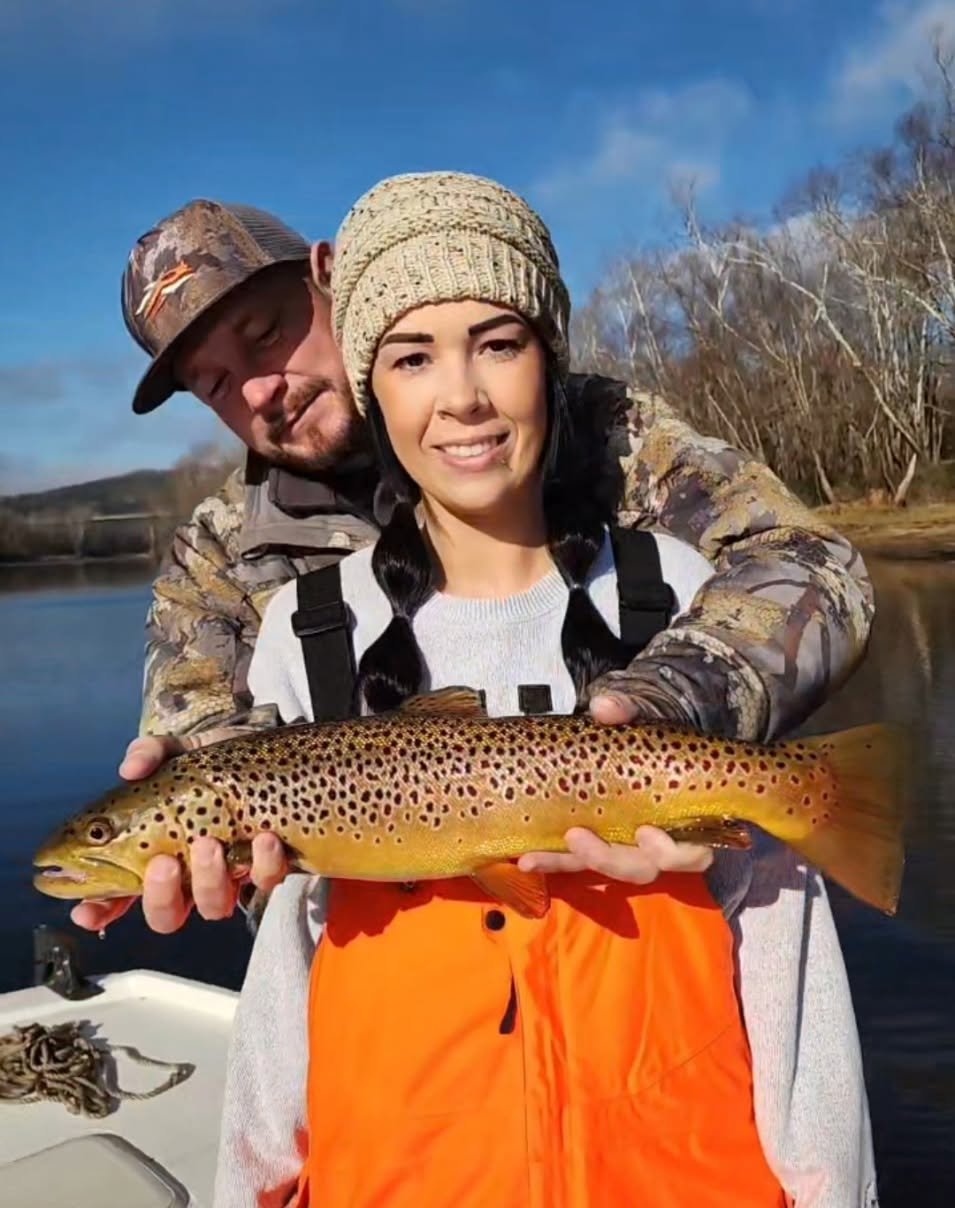
Brown trout are a different animal.
You’re generally not going to catch them in the same numbers as rainbows, but Beaver Tailwaters still holds some quality browns. When conditions allow, don’t be afraid to move away from the tiny stuff and show them something worth chasing.
Current can help here.
Moving water creates feeding opportunities and gives predatory fish an advantage. Pay attention to edges where faster and slower water meet, depth transitions and areas that give a fish an opportunity to hold without fighting the full force of the current.
I’m deliberately keeping that broad. This is an Insider Report—not the coordinates to my next fishing trip. Ha!
The Walleye Factor
One thing that makes the Beaver Tailwaters interesting is that this isn’t strictly a trout fishery.
Walleye are absolutely part of the equation.
Late summer is a good time to remember that some of the fish you’re seeing close to the bottom aren’t necessarily trout. Walleye are structure-oriented fish, and current can influence them just as much as it influences trout.
If you’re specifically targeting them, think bottom contact, depth changes, current breaks and controlled presentations.
Jigs and soft plastics can be effective, and crankbaits give you the ability to cover water when you’re trying to locate active fish.
Here’s the important part: don’t just stare at your electronics looking for a Christmas tree full of fish.
A few quality marks positioned correctly can tell you more than a giant blob of fish suspended somewhere you’re not trying to fish.
Electronics: Look at Position, Not Just Fish
This is probably one of the biggest lessons I can give someone learning electronics.
Finding a fish on sonar is only half the equation.
Ask yourself: Why is that fish there?
Look at its relationship to the bottom, current, depth change and nearby structure.
If you repeatedly see fish positioned the same way in different areas, you’ve started identifying a pattern instead of merely finding fish.
That’s when electronics become truly useful.
Anybody can drive around until something appears on the screen. The goal is learning enough from what you’re seeing that you can predict where the next group should be.
Multi-Species Can Save the Day
As you move farther downstream through the Beaver Tailwaters system, the fishery changes.
Bass, bluegill and other warm-water species give anglers additional opportunities, especially when trout aren’t playing along.
That’s one reason I enjoy the river.
You don’t necessarily have to spend four hours trying to force one species to cooperate. Sometimes the smartest fishing decision you can make is recognizing what the river is giving you and changing gears.
Guide Tip: Have a Plan B before you launch—not after Plan A has already wasted half your trip.
The Takeaway
Late-summer Beaver Tailwaters fishing rewards anglers who observe before they react.
Watch the generation. Watch the current. Pay attention to where you’re marking fish. Adjust your weight and presentation as conditions change. And don’t assume a slow stretch means the entire river isn’t fishing.
There are still trout to catch, walleye opportunities and a very good multi-species fishery available. But this isn’t the time of year when the river necessarily hands them to you.
You have to figure out the puzzle.
And some days Beaver Tailwaters apparently dumps the puzzle pieces on the floor, hides three of them under the couch and watches to see what you’re going to do about it.
That’s fishing.
Until next time, tight lines!
Austin Kennedy
Busch Mountain Fishing Guide Service